Performance marketing has become one of the most powerful growth tools for businesses in 2025. With digital platforms collecting massive amounts of data, brands now have the ability to track every click, view, sign up, and purchase. Instead of spending money blindly, you can invest only where results show up. This is the heart of performance marketing, and when done right, it can dramatically increase your revenue while keeping costs in control. Understanding how performance marketing works and how to maximize ROI on ads can help your business scale faster and smarter.
To put it simply, performance marketing is advertising that you pay for only when you get a measurable action. That action could be a click, a conversion, a lead, a message, or a purchase. You are not paying for visibility. You are paying for real, trackable outcomes. This is why so many businesses prefer this model. It is predictable, measurable, and flexible. You can scale it up when a campaign works or pause it immediately when it does not.
Understanding the Metrics That Truly Matter
One of the biggest mistakes brands make is running ads without understanding the metrics that actually drive growth. If you want strong performance marketing results, you must know what your numbers mean. A good place to start is CPA, or cost per acquisition. This tells you how much it costs to get each lead or customer. When CPA goes down, profits go up, so optimizing for a low CPA is crucial.
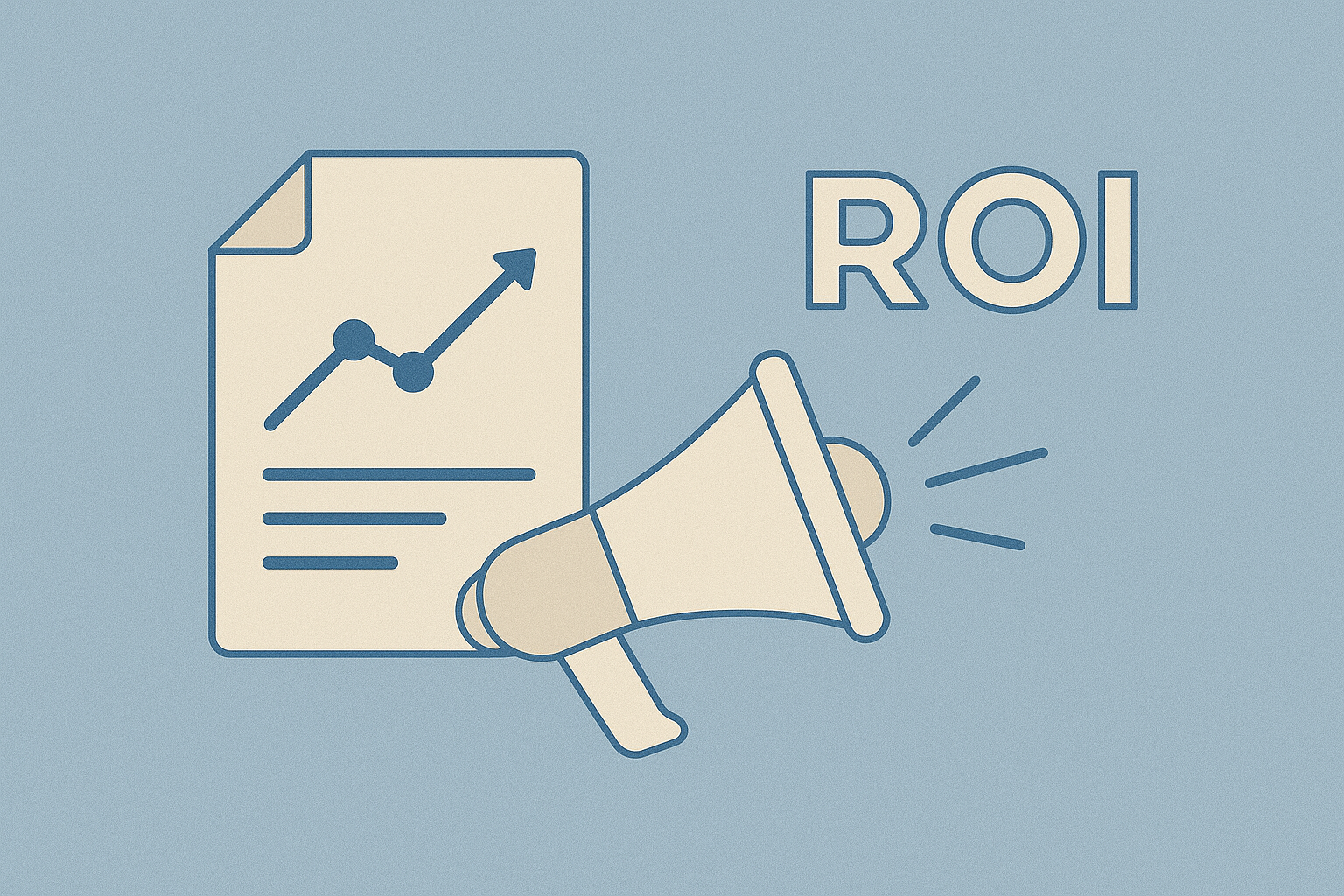
ROAS, or return on ad spend, is another core metric. It tells you how much revenue you made for every rupee spent on ads. If your ROAS is low, your ads might be attracting the wrong audience or your messaging may not be strong enough. CTR, or click through rate, shows how attractive your ad is. Higher CTR usually means your creative and copy are working well. These metrics give you a clear picture of what is happening behind the scenes so you can adjust your strategy, improve your ads, and push your ROI higher.
How to Optimize Google Ads for Better ROI
Google Ads works extremely well when you understand user intent. People who search on Google are actively looking for a product or service, so targeting them with the right keywords can deliver quick results. To maximize ROI, start by choosing high intent keywords that match what your customers are searching for. Someone searching for best salon near me or digital marketing agency Goa is much more likely to convert than someone searching for general information.
Your ad copy also plays a huge role in performance. It needs to be clear, relevant, and aligned with what the user wants. Adding strong call to action phrases like book now or get a free quote helps improve conversions. Your landing page should load fast, match your ad message, and make the next step easy. The more seamless the user experience, the better your results will be. Constant testing is the key. Test keywords, headlines, descriptions, audiences, and landing pages. Small changes in Google Ads can significantly boost ROI on ads over time.
How to Optimize Meta Ads for Better ROI
Meta Ads, which include Facebook and Instagram, work differently because they rely on audience targeting instead of keyword intent. The magic of Meta Ads comes from understanding your customer. The more detailed your audience targeting, the stronger your results. Use custom audiences, lookalike audiences, and interest-based targeting to narrow down who sees your ads.
Your creatives matter more here than on any other platform. A strong image or video can completely change your campaign performance. People scroll fast, so your visual must grab attention immediately. Keep it bright, simple, and focused on one message. Your copy should sound human, not corporate. People respond better to relatable language. Testing is essential here too. Test multiple creatives at the same time to see which one performs best. Meta’s algorithm always pushes the winning creative, which helps you get better ROI automatically.
Common Mistakes Businesses Make in Performance Marketing
Many businesses run ads without a proper strategy and end up wasting money. One common mistake is not sending traffic to a proper landing page. If your page looks outdated, loads slowly, or confuses the user, your conversions drop instantly. Another mistake is ignoring the data. If you do not track your metrics or understand them, you cannot optimize your ads. Guessing will always cost more.
Businesses also tend to give up too quickly. Performance marketing is not magic. It requires testing, refining, and improving. Even great campaigns take time to find the right audience. Another mistake is running too many campaigns at once. It is better to focus on one strong campaign, optimize it, and scale it. When you try to do everything at the same time, results tend to suffer.
The last big mistake is not aligning your ads with your business goals. If your goal is awareness, your ads should focus on reach and impressions. If your goal leads, your ads should focus on conversions. Mixing goals leads to confusing campaigns and lower ROI.
Conclusion
Performance marketing can completely transform the way your business grows online. When you know your metrics, optimize your platforms correctly, build strong landing pages, and avoid common mistakes, your ROI on ads improves naturally. Once you master testing and refinement, your campaigns become more profitable with time. Whether you are a small business or a large brand, performance marketing gives you the control, speed, and precision you need to grow in 2025.